
Fitting another appointment into your family’s busy schedule can feel like a challenge. You want to prioritize your health, but you also need to know how much time to set aside for a visit to the eye doctor. At Summit Eyecare Centre, the goal is to make your visit feel smooth and efficient.
A comprehensive eye exam typically takes between 30 and 60 minutes. The exact duration can vary based on your unique vision and health needs, helping ensure you receive the personalized attention you deserve.
Factors That Affect Your Exam’s Length
Several things can influence how long you spend at your appointment. Knowing what to expect before you visit your eye doctor in Kamloops can help you plan your day more easily.
Your Age & Eye Health
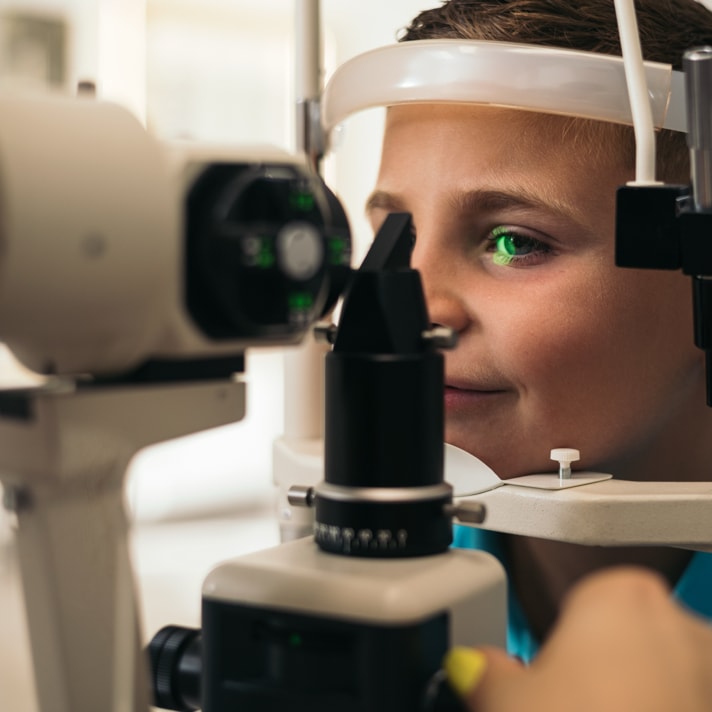
Exams for children often focus on different developmental milestones than exams for adults or seniors. If you have a specific health condition, like diabetes, the doctor may perform additional tests that can add to your appointment time.
New Patient Visits
If it is your first time at the clinic, your visit may be a little longer. This gives the team extra time to carefully review your medical history and get a complete picture of your eye health.
Specific Vision Needs
If you need a new contact lens fitting or want to discuss symptoms of digital eye strain, your exam will involve extra steps. These additional conversations or measurements can extend the length of your appointment.
A Look at a Typical Eye Exam
An eye exam is more than a simple check to see if you need glasses.It’s a comprehensive health check for your eyes. The appointment includes a series of straightforward, comfortable tests.
Check Your Vision
The first part of your exam often involves familiar tests to see how clearly you can see the world around you.
- Visual Acuity: This is the classic letter chart that measures the sharpness of your vision.”
- Refraction Test: You will look through a series of different lenses to help the doctor find the precise prescription for your clearest sight.
Assess Your Eye Health
The doctor also checks the physical health of your eyes and how well they work together.
- Glaucoma Test: A simple test measures the pressure inside your eyes, which is an important part of screening for glaucoma.
- Binocular Vision Test: This checks to see how well your eyes team up to focus on objects.
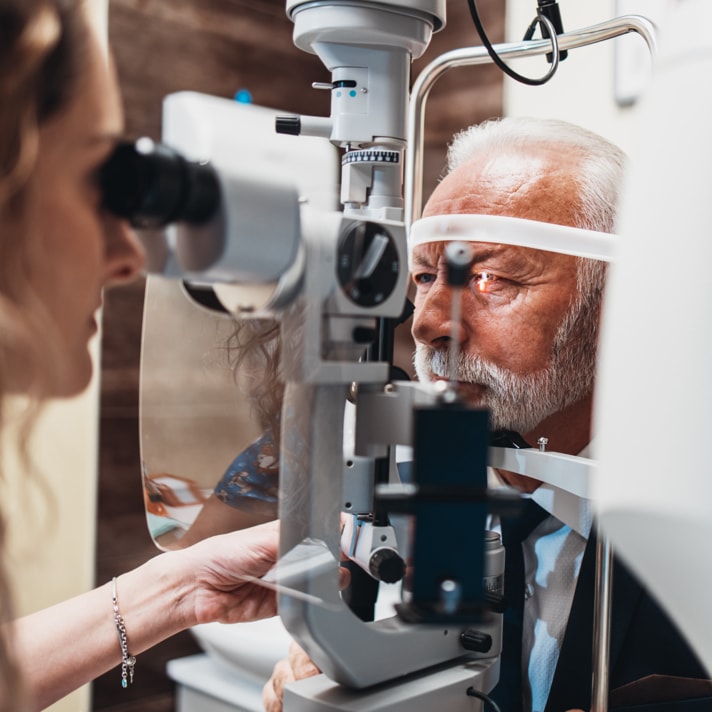
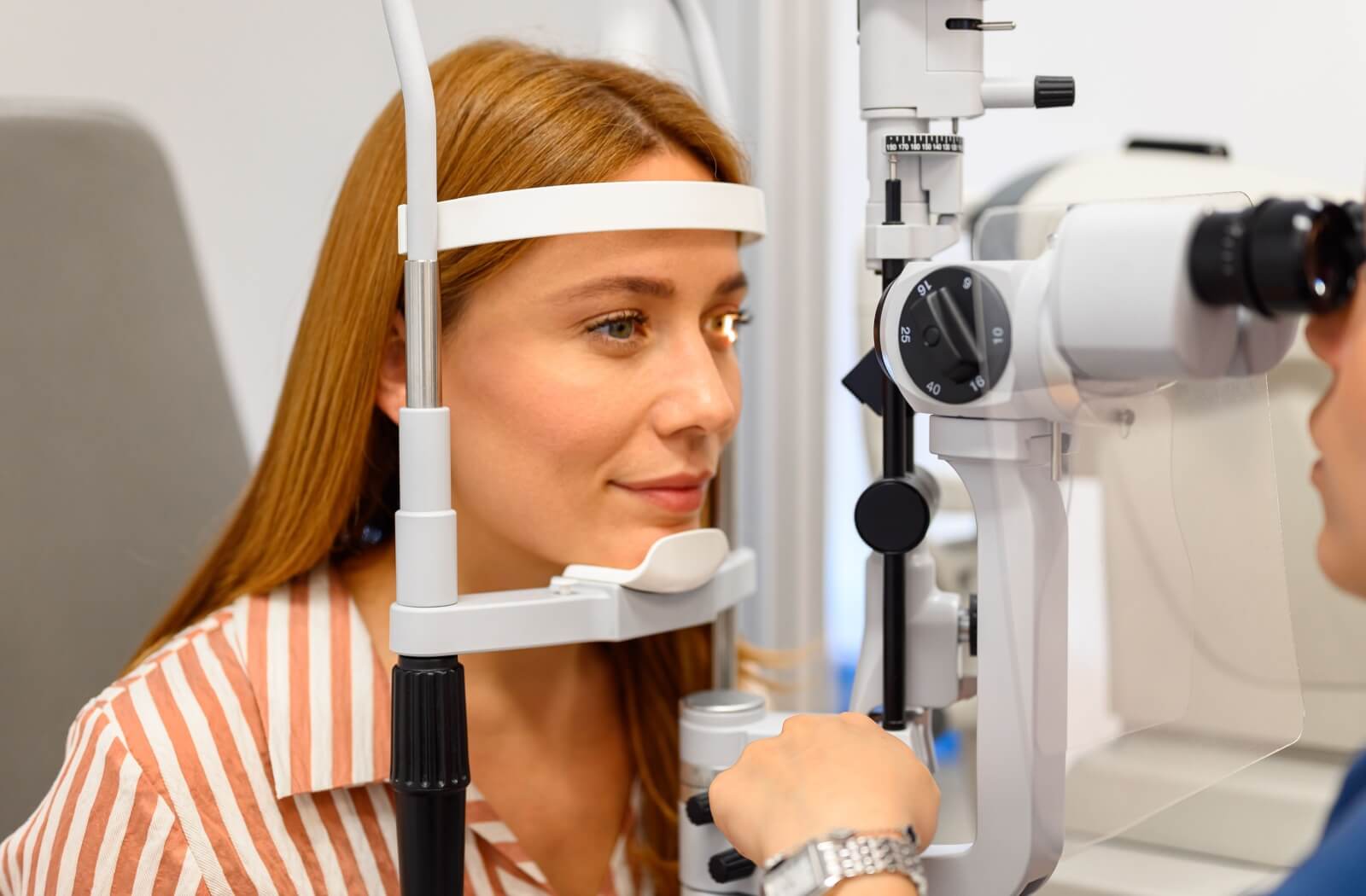
- Slit-Lamp Exam: A special microscope gives the doctor a highly detailed view of the front and inside of your eye.
Advanced Imaging Technology
Modern tools can help your eye doctor get an even more complete picture of your eye health. For example, OCT technology takes a detailed, cross-sectional scan of your retina. This allows your eye doctor to closely examine the delicate layers at the back of your eye and detect subtle changes early.

Pupil Dilation & Your Exam
Sometimes, the optometrist needs a wider view of the back of your eye. To get this view, the team uses special eye drops that temporarily make your pupils larger—a process called dilation.
How Dilation Adds Time
The eye drops used for dilation need about 20 to 30 minutes to work fully. This waiting period will add to your total time at the clinic, so it’s helpful to factor that into your schedule.
Can You Drive After Your Exam?
After dilation, your vision might be blurry and more sensitive to light for a few hours. It’s a good idea to bring sunglasses to wear afterward and to arrange for someone to drive you home for your comfort and safety.
How to Prepare for Your Eye Exam
A little preparation can help your appointment go as smoothly as possible. When you arrive with the right information, the team can focus on what matters most—your eye health.
To get the most out of your visit, it’s helpful to bring a few things with you:
- Your current glasses, sunglasses, and contact lenses
- A list of any medications or supplements you take regularly
- Your extended health or insurance card for direct billing
- Any questions you have about your vision or eye health
How Often You Need an Eye Exam
Regular eye exams are a key part of maintaining healthy vision for every member of your family. The Canadian Association of Optometrists provides general guidelines for how often different age groups should have their eyes checked.
- Infants: First exam between 6 and 9 months
- Preschoolers: At least one exam between ages 2 and 5
- School-Age Children: Every year
- Adults (19-64): Every 1 to 2 years, or sooner if vision changes
- Seniors (65+): Every year
Your eye doctor in Kamloops may recommend a different schedule based on your personal eye health or other factors.
Knowing what to expect can make your visit feel smooth and stress-free. At Summit Eyecare Centre, the team is focused on providing a comfortable and thorough experience for your whole family. To book an appointment for yourself or a loved one, you can contact the clinic today.