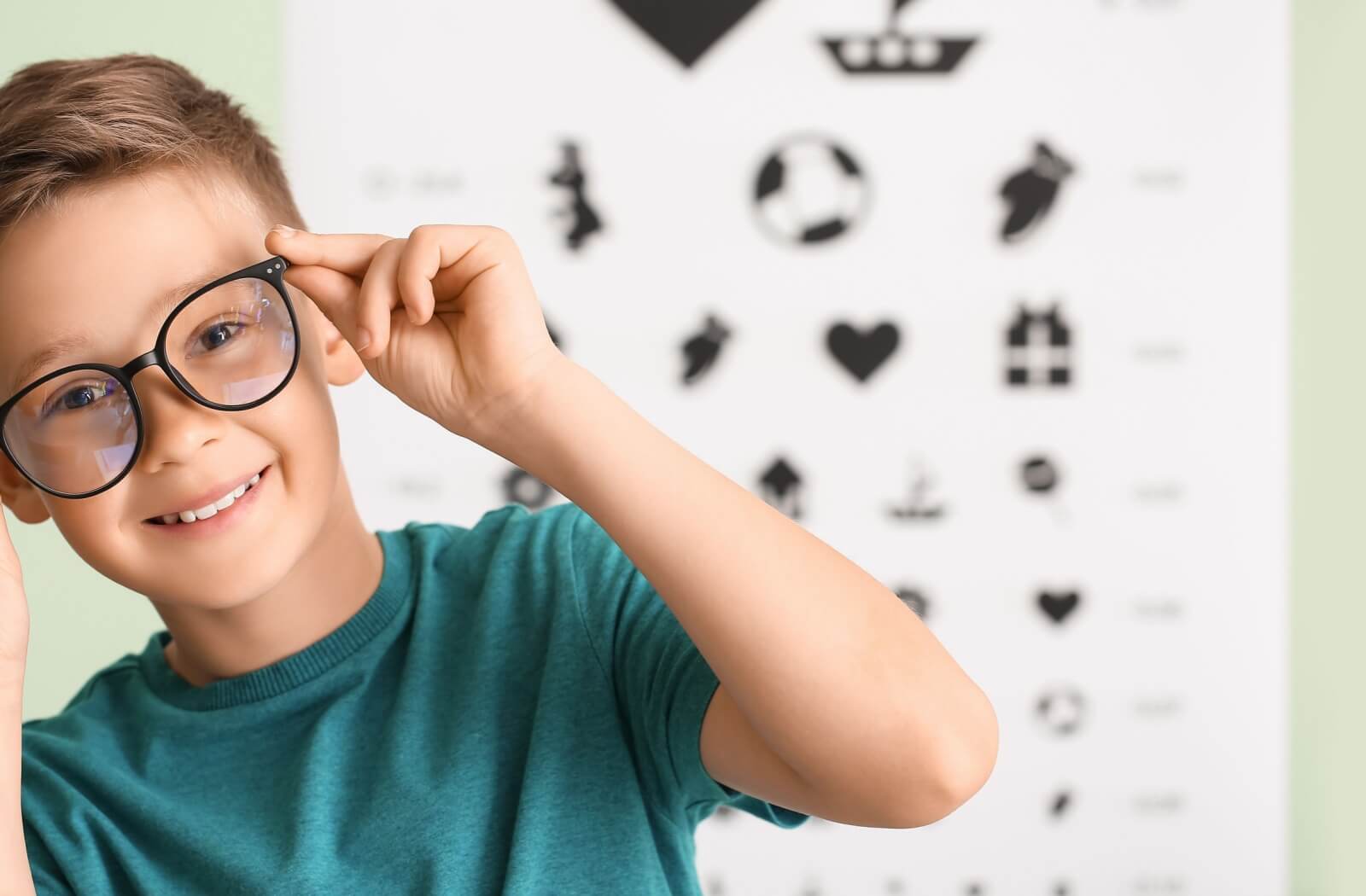
You might notice that road signs look a little fuzzy or that your child is squinting to see the board at school. This common experience is often due to myopia, also known as nearsightedness, which makes distant objects appear blurry while things up close typically remain clear.
Myopia eyeglasses differ because they use specially shaped, concave lenses that are thinner in the centre to bend light correctly, and some innovative types can also help slow the progression of nearsightedness. This unique design not only helps clear up your blurry distance vision but can also support long-term eye health, especially for children who receive regular eye exams.
What Myopia Means for Your Child’s Vision
Myopia happens when the eye grows a little too long from front to back. This shape causes light to focus in front of your retina instead of directly on it, which is why far-off objects look out of focus.
Signs You or Your Child Might Have Myopia
Recognizing the signs of myopia is the first step toward clearer vision. You may notice a few common things, such as:
- Difficulty seeing the board at school or road signs while driving
- Squinting to see distant objects more clearly
- Headaches from eye strain
- Sitting closer to the television or holding books close to the face
How an Eye Doctor Checks for Myopia
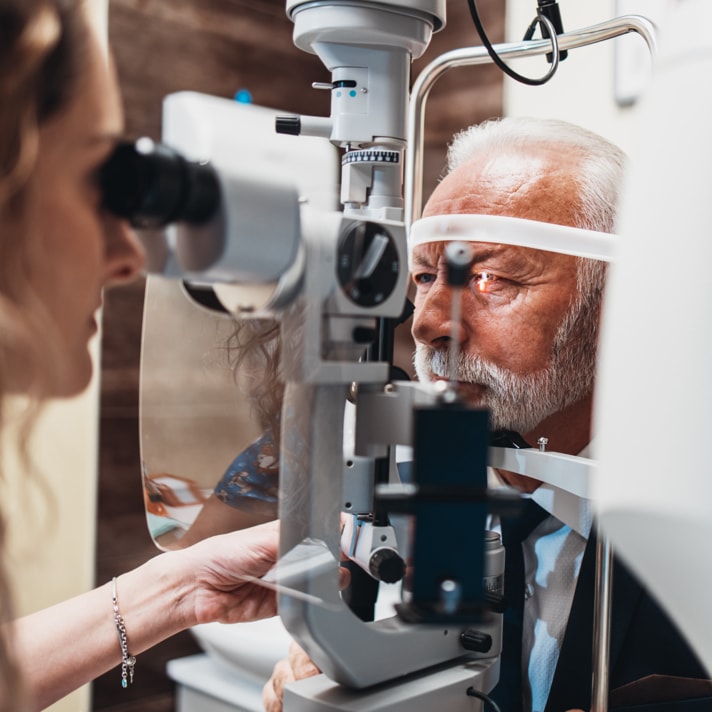
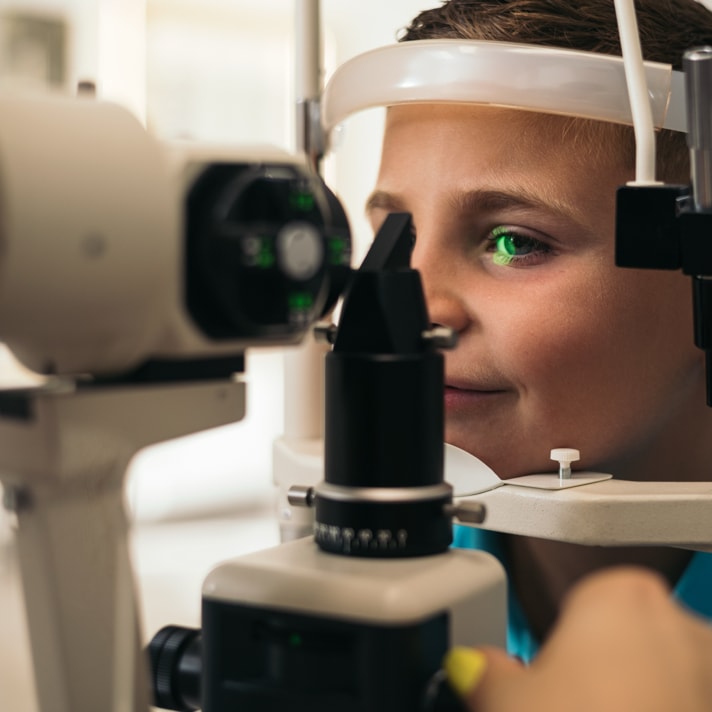
During an eye exam, an eye doctor uses a few simple tests to check for myopia. You’ll read letters from a chart and look through a series of lenses to find the right prescription. For children, our team may use tools like the MYAH device to measure the eye’s length and track how myopia changes over time.
Myopia Lenses vs. Standard Lenses
While all glasses are designed to help you see better, lenses for myopia work differently from those for farsightedness. The key difference is in their shape and how they direct light.
The Shape of the Lens
Lenses for myopia are concave—thinner in the center and thicker at the edges. This specific shape helps spread light rays out before they reach your eye. This adjustment makes sure the light focuses directly on your retina.
How They Help You See Clearly
By moving the focal point back onto the retina, these lenses make distant objects look sharp and defined again. This immediately corrects the blurriness that comes with nearsightedness, so you can see the world clearly.
More Than Just Clear Vision
Some lenses for myopia do more than just correct your sight. Myopia control lenses are designed to help slow the progression of nearsightedness. This is particularly helpful for children whose eyes are still developing.
Different Types of Eyeglasses for Myopia
When you need glasses for myopia, you have a few options. The right choice for you or your child depends on vision needs, age, and daily activities.
Single Vision Lenses
These are a common type of lens for myopia. They have a single prescription power across the entire lens, designed specifically to correct your distance vision.
Myopia Control Lenses
These modern lenses have different zones that both correct blurry distance vision and help manage how myopia progresses. They are often a good option for children and teenagers.
Other Lens Features
You can add features to your eyeglass lenses to make them more comfortable. Anti-glare coatings can help with night driving, while other filters may help reduce eye strain from looking at digital screens.

The Goal of Myopia Control Glasses
Myopia control glasses can be a proactive option for managing nearsightedness, especially in younger people. They offer benefits that go beyond just seeing clearly today.
Slow the Progression of Nearsightedness
The main goal of these special lenses is to help slow down how quickly a child’s prescription changes. This approach can help them have a lower, more stable prescription as an adult.
Support Long-Term Eye Health
Managing the progression of myopia early on is a great way to support overall eye health and reduce risks associated with high myopia later in life.
A Good Option for Children and Teens
Because their eyes are still growing, children and teenagers can get great results from myopia control lenses. An eye doctor can talk with you about whether this is a suitable choice for your child.
Daily Life with Myopia Glasses
Wearing glasses for myopia quickly becomes a normal part of your routine. It’s important to know when to wear them to get the most benefit for your vision.
When to Wear Your Glasses
You may need your glasses for activities where distance vision is important—like driving, watching a movie, or seeing a performance. Depending on your prescription, you may need to wear them all the time.
What About Phone and Computer Use?
Whether you should wear your myopia glasses for close-up tasks depends on your prescription and comfort. Your eye doctor can give you personalized advice based on your specific needs and help manage any discomfort from screen use.
Get Regular Eye Exams
Your vision can change over time, so regular eye exams are important for everyone in the family. These appointments make sure your prescription is current and your eyes are healthy.
Whether you’re looking for your child’s first pair of glasses or need an updated prescription for yourself, our team at Summit Eye Care Centre is here to help. Schedule an appointment to find the right vision solution for your family.