

Have you ever dealt with nagging headaches, dizziness, or eye strain that just won’t go away, no matter what you try? You might assume it’s stress or fatigue, but the source of your discomfort could be a small misalignment in your eyes that makes them struggle to work together.
When your eyes are not perfectly in sync, it can lead to a condition called Binocular Vision Dysfunction (BVD), which forces your eye muscles and brain to constantly work harder to create a clear picture. Our team at Summit Eyecare Centre understands how this continuous effort can lead to a wide range of symptoms, which is why we offer vision therapy as a treatment for BVD.
So What Is Binocular Vision Dysfunction?
Think of your eyes as a team that needs to work together perfectly. For you to see a single, clear image, both of your eyes send a signal to your brain, which then merges them into one picture. With BVD, a slight misalignment prevents your eyes from working as a cohesive team.
This puts a heavy strain on your eye muscles as they try to correct the misalignment. Your brain also has to work overtime to fuse the two different images. This constant struggle can lead to physical and visual discomfort.
Common Signs & Symptoms of BVD
Because BVD affects both your visual system and your brain, you might experience symptoms that you don’t immediately connect to your vision.
When your brain constantly struggles to align what your two eyes see, it can lead to a kind of mental exhaustion. This feeling might show up as a persistent headache behind your eyes or a general sense of fatigue that doesn’t improve with rest. You may also notice that you’re more sensitive to motion, like when you’re a passenger in a car or scrolling on your phone.
Some common signs include:
- Frequent headaches or a feeling of being off-balance
- Dizziness, nausea, or motion sickness
- A sense of unease in large spaces or crowded stores
- Eye strain, fatigue, or pain with digital screen use
- Blurred or double vision
- Light sensitivity
- Difficulty with depth perception
What Can Affect Binocular Vision?
BVD can develop for a few reasons, and it can affect anyone, from children to adults.
Natural Asymmetry
Just as one side of your face is not a perfect mirror of the other, your eyes can have tiny differences in their position. These small, natural asymmetries can sometimes be enough to cause a misalignment that leads to BVD symptoms.
A Head Injury
A concussion or another type of head trauma can sometimes affect the complex connection between your brain and your eye muscles. This can disrupt their ability to communicate effectively and work together as a team.
Neurological Conditions
Sometimes, a neurological condition can impact how the nerves and muscles that control your eyes function. This may interfere with their alignment and coordination, contributing to binocular vision difficulties.

How an Eye Doctor Diagnoses BVD
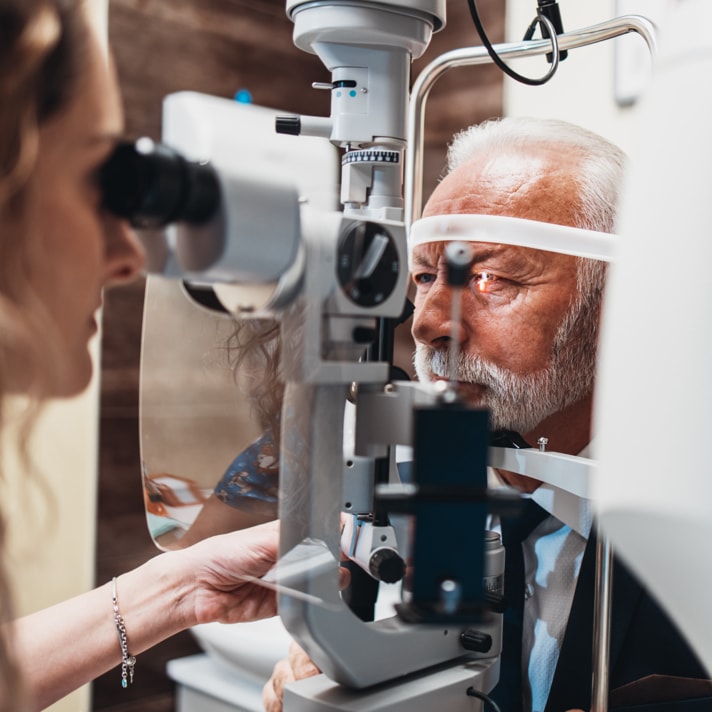
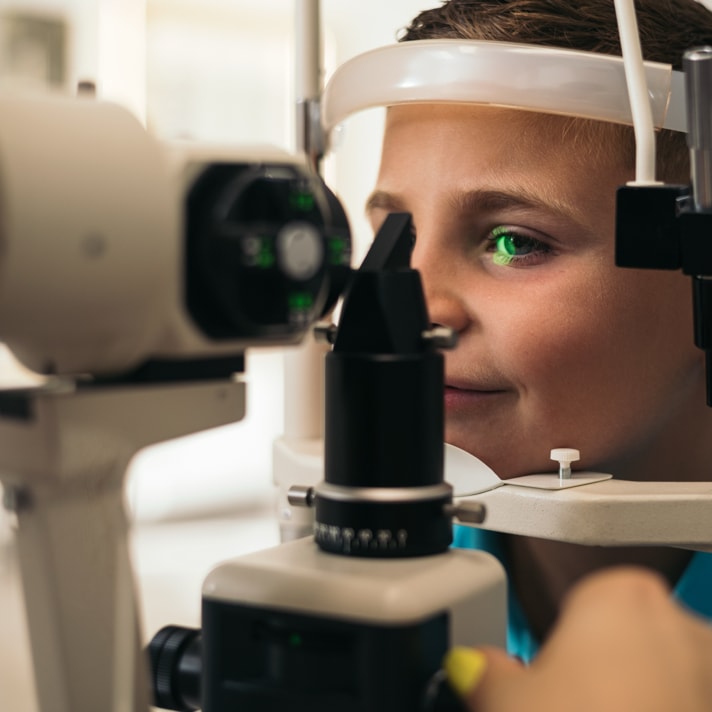
Diagnosing BVD requires an evaluation of how your eyes move, focus, and team up. This process involves a series of detailed questions about your symptoms and daily activities. Your eye doctor will then observe how your eyes work together when you focus on objects at different distances. Your direct feedback during these tests is a key part of pinpointing the exact nature of the misalignment.
Treatment to Help Your Eyes & Relieve Symptoms
The main goal of BVD treatment is to help your eyes work together more easily. This reduces the strain on your visual system and can help relieve uncomfortable symptoms.
Neuro-functional Glasses
Glasses with micro-prisms and other supportive changes, including reading power tints, are designed to bend light in a way that helps your brain merge the two images from your eyes into one clear picture—without all the extra effort.
Vision Therapy
You can think of vision therapy as a form of physical therapy for your eyes and brain. A personalized program of exercises can help strengthen the connection between them, which improves eye coordination, focus, and teamwork over time.
These exercises are tailored to your needs and are designed to be done both in-clinic and at home. Over time,consistent practice helps your brain and eyes re-learn how to work together efficiently. The goal is to make clear, comfortable vision feel more automatic, so you don’t have to strain.
If you experience persistent headaches, dizziness, or eye strain, it may be helpful to explore the possibility that you have BVD. Our team at Summit Eyecare Centre can perform a detailed assessment to check your binocular vision. Schedule an appointment to learn more.