
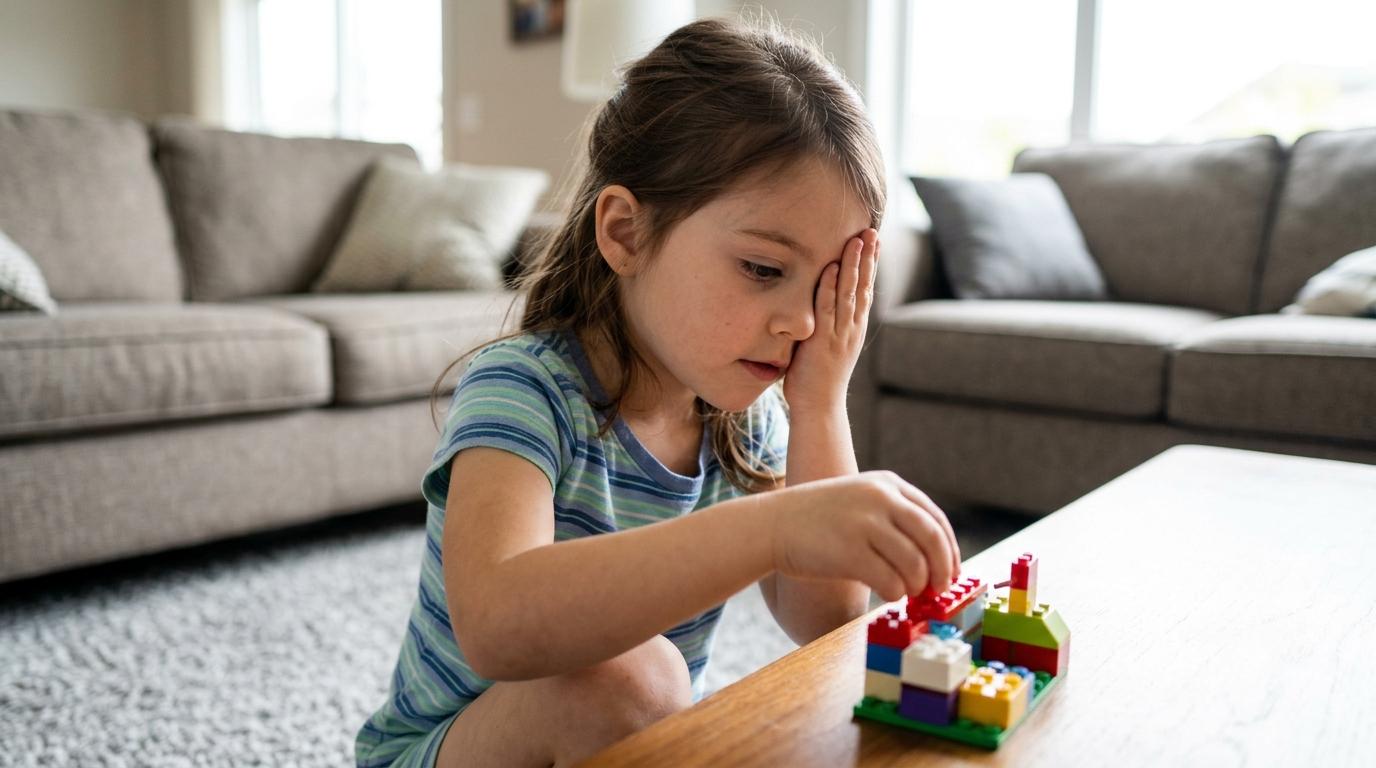
Maybe you’ve noticed your child covering 1 eye to focus on a favourite toy or tilting their head to watch television clearly. Our team at Summit Eyecare Centre knows these small habits can point to underlying vision problems like amblyopia or strabismus. We understand that it can be easy to confuse these terms when you don’t hear them every day, so we’re here to help you understand the difference.
Amblyopia is an issue between the brain and the eye, where the brain favours 1 eye over the other, while strabismus is a physical problem where the eye muscles fail to align correctly. A children’s eye exam is important for determining what your child may have and how to help them achieve clear vision.
The Basics of Amblyopia and Lazy Eye
What Is Amblyopia?
Your brain and eyes work together to build a clear picture of your surroundings. But sometimes the brain starts to rely heavily on 1 eye and ignores signals from the other: This is called amblyopia, or lazy eye. It’s often mistaken for misaligned eyes, and it’s important to know that regular prescription glasses alone can’t fix your child’s vision.
Common Signs and Symptoms
If your child has amblyopia, they might struggle with a few things. You may have noticed them struggling to judge distances at the playground, tripping over flat surfaces, or reaching out for objects and missing them entirely. If your child has amblyopia, you may also notice they have:
- Poor depth perception when walking or playing
- Frequent squinting or shutting 1 eye to see
- Clumsiness or poor physical coordination
The 3 Types of Amblyopia
This condition can develop in a few ways, and it changes what kind of amblyopia a person will experience:
- Refractive: Develops from a high prescription difference between both eyes.
- Strabismus: Happens when the eye is constantly turned.
- Deprivation: Happens from physical eye problems that block clear vision.
The Basics of Strabismus and Crossed Eyes
What Is Strabismus?
Your eyes need to point in the exact same direction to send a single image to your brain. Strabismus happens when the eyes fail to align properly. One eye might look straight ahead while the other turns inward, outward, upward, or downward. This misalignment makes the brain struggle to combine 2 different images into a single, clear picture.
Common Signs to Watch For
The physical signs of this condition often appear quite clearly when you look at someone because the effort to see straight can impact the body. If your child has strabismus, you might notice they have:
- An observable eye turn in any direction
- Headaches and eye strain after reading
- Blurry or double vision during daily tasks
When Does It Usually Start?
You might notice crossed eyes in very young children as they learn to focus on the world, and this alignment problem can appear before a child turns 3 years old. But it can happen as you age, too: Older children can develop the condition as their vision demands change at school, and adults can experience this problem later in life as well.
How to Tell the Difference Between Conditions
Brain Connection vs Eye Muscles
These 2 conditions seem similar but originate from completely different parts of the visual system. Amblyopia is a brain-processing issue in which the brain’s pathways don’t develop properly. Strabismus is an eye alignment problem linked to physical muscle control. Both issues affect functional vision skills like tracking moving objects or reading a book.
One Condition Without the Other
These conditions can overlap in young children. An uncorrected eye turn from strabismus can contribute to amblyopia over time. However, you can definitely have amblyopia without any noticeable misaligned eyes, which is why both situations require a professional assessment to uncover hidden vision problems.

Treatment Options for Your Family
Therapy and Lenses for Amblyopia
Early intervention helps build strong visual pathways for a lifetime of clear sight. The right treatment approach can help strengthen the connection between the eyes and the mind, and it depends on which kind of issue you or your child has. One of our eye doctors might suggest these options:
- Prescription lenses: This option supports clear vision to help the brain receive clearer images, and is often recommended when a refractive error is causing the problem.
- Vision therapy: This is designed to retrain the brain to process visual information correctly, and can be used for multiple issues.
- Eye patches: This option is used in cases where 1 eye is favoured by the brain, and it encourages the use of the weaker eye to build visual strength.
Glasses and Surgery for Strabismus
Treatment for crossed eyes often focuses on physical coordination and muscle control. The goal is to get both eyes pointing at the exact same target.
Sometimes glasses can help improve alignment because they help reduce the effort it takes to focus. Other times, surgery might be recommended to help improve the alignment of the eye muscles.
Your Visit to an Eye Doctor
Functional Vision Exams
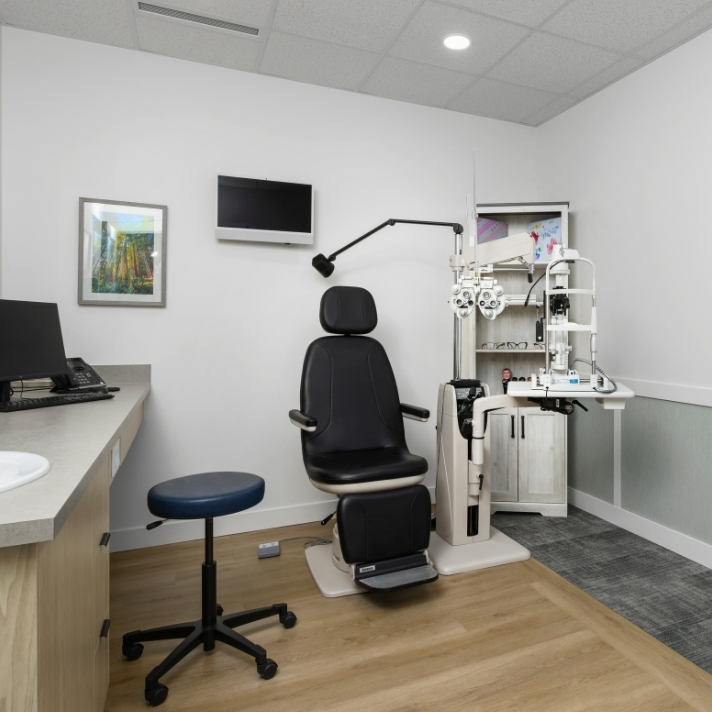
A routine sight test only measures how well you read letters on a wall chart, but a complete eye exam with an eye doctor in Kamloops looks much deeper at how your eyes function together. The eye doctor can evaluate focus and movement to assess how well your eyes work together. This detailed evaluation helps our team to create a personalized treatment plan for your family’s specific needs.
Convenient Care for Busy Schedules
Balancing work schedules and family life leaves little time for extra appointments. That’s why our clinic stays open 6 days a week to accommodate your busy routine. The office closes on Sundays to rest the team for the week ahead. The staff can also bill to most extended health plans on your behalf to simplify the entire process.
Schedule Your Child’s Eye Exam
Proper vision care helps you and your loved ones navigate the world with ease. Our friendly and knowledgeable team at Summit Eyecare Centre stands ready to support your family. Book a vision exam today to start the journey toward clearer, more comfortable sight.