
Most contact lens wearers keep a few spare boxes tucked away at home. It’s a smart habit, since a lens can tear or go missing when you least expect it. But those spare boxes tend to sit in a drawer for years, and the small print on the back is easy to overlook.
Contact lenses do expire, so throw out any lens past the date printed on its pack. If you’re unsure about the lenses you have now, our optometrists can check them during a contact lens exam.
Why Contact Lenses Have an Expiry Date
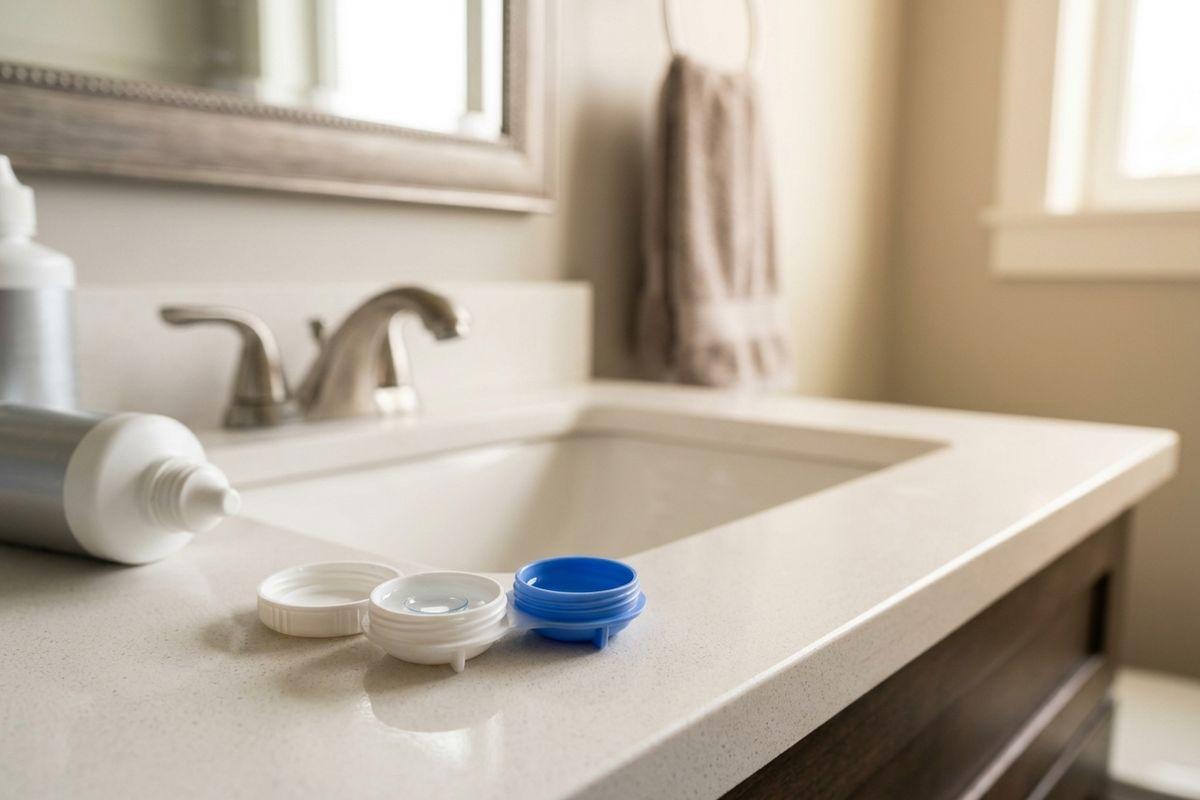
Contact lenses are medical devices, and each soft lens comes sealed in a small blister pack filled with saline solution. The saline keeps the lens moist and helps it hold its shape, so it sits comfortably on your eye when you put it in.
Over time, the ingredients in that solution can break down, and the foil seal can weaken. Once that happens, bacteria and other microbes can get into the pack, and the lens is no longer sterile.
An expired lens can look perfectly normal. That’s why you should trust the printed date over a quick look at the lens itself.
How Long Contact Lenses Stay Good
Unopened soft lenses usually last 1 to 4 years from the date they’re made. The exact timeline depends on the brand and the packaging.
Hard lenses work a little differently, since their lifespan depends on the storage solution you keep them in. Ask your optometrist how often you should replace yours.
Replacement Schedules Once You Open a Pack
The expiry date only applies while the pack stays sealed. Once you open a lens, follow the replacement schedule for the type you wear:
- Daily lenses: Throw them out at the end of each day, even if they still feel comfortable.
- Bi-weekly lenses: Replace them after 14 days.
- Monthly lenses: Replace them after 30 days, and clean them with fresh solution every night.
Start counting from the day you open the pack. If you’ve only worn a monthly lens a few times, you’ll still need to replace it 30 days after opening.
How to Find the Expiry Date on Contact Lenses
Check both the individual blister pack and one end of the outer box. The expiry date usually sits beside an hourglass symbol or the letters “EXP,” and it may read “2027-05” or “May 2027.”
Some packs also print the manufacture date nearby, sometimes next to a small factory symbol. The 2 dates can look alike, so double-check which one you’re reading before you open a lens. If the date has rubbed off and the box is long gone, throw the lens out. There’s no safe way to guess how old it is.
What Happens if You Wear Expired Contacts
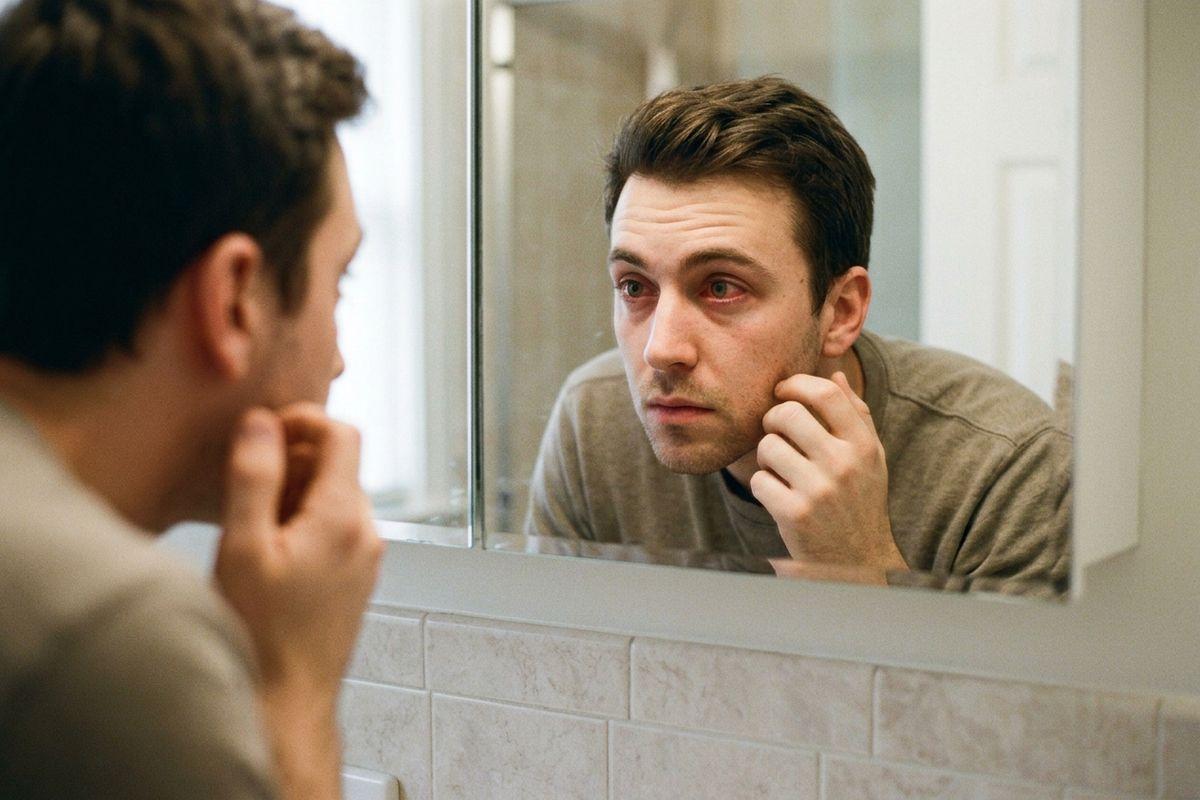
Your eyes will often let you know within the first hour or 2. Keep an eye out for a few of these signs:
- Redness
- Itching
- Watery eyes
- A gritty feeling, like there’s sand under your eyelid
- Blurry vision
Blurriness can happen because an older lens may not hold the shape it needs to fit your eye properly. Expired lenses can also increase your risk of an eye infection or a corneal ulcer, an open sore on the clear front surface of your eye.
What to Do if You’ve Already Worn Expired Contacts
It’s easy to miss the date until you’re halfway through your day. If that happens, follow these steps:
- Wash your hands and remove the lenses.
- Throw the lenses in the garbage so they don’t end up back in your case.
- Call your optometrist if redness or blurriness sticks around, or if you notice any new symptoms.
- Go through your supply at home and clear out old lenses, solution bottles, and cases.
Simple Habits to Keep Your Lenses Safe
Fill your case with fresh solution every time you store your lenses. Topping up yesterday’s solution doesn’t count, and tap water should never touch your lenses or your case.
Replace your lens case at least every 3 months. Bacteria can build up inside it, even when it looks clean.
It also helps to order your refills before you run low. When your supply gets short, it’s tempting to stretch a 2-week lens into a third week.
Why Yearly Contact Lens Exams Matter
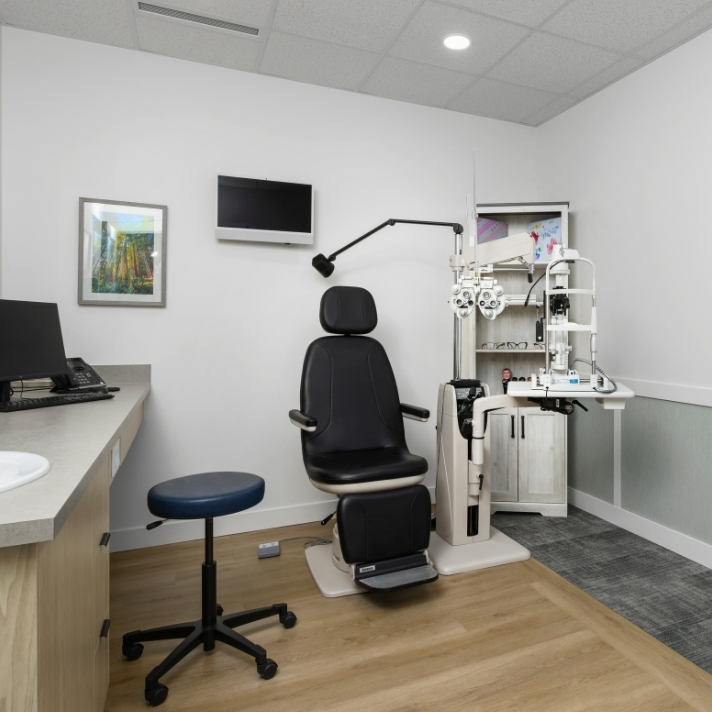
Plan to see your optometrist for a contact lens check-up every 12 months, since most prescriptions need renewing each year. During your visit, we’ll check how your lenses sit on your eye and look at the health of the surface underneath. That’s something you can’t see in the mirror at home.
Our team at Summit Eyecare Centre fits contact lenses for patients of every age. Book your contact lens exam today, and we can help you choose a lens type and wearing schedule that suits your routine.