
You’ve probably noticed that some people struggle to read road signs, while others hold a book at arm’s length to see the words. Both situations come from refractive errors, meaning light doesn’t bend the way it should once it hits your eye, but how it bends makes a huge difference.
Your eye works a bit like a camera. Light passes through the front and should land right on the retina at the back, and when it focuses in front of or behind that spot, your vision blurs.
Myopia blurs objects far away while hyperopia blurs the ones up close, and both come down to where light focuses inside your eye.
A Closer Look at Myopia (Nearsightedness)
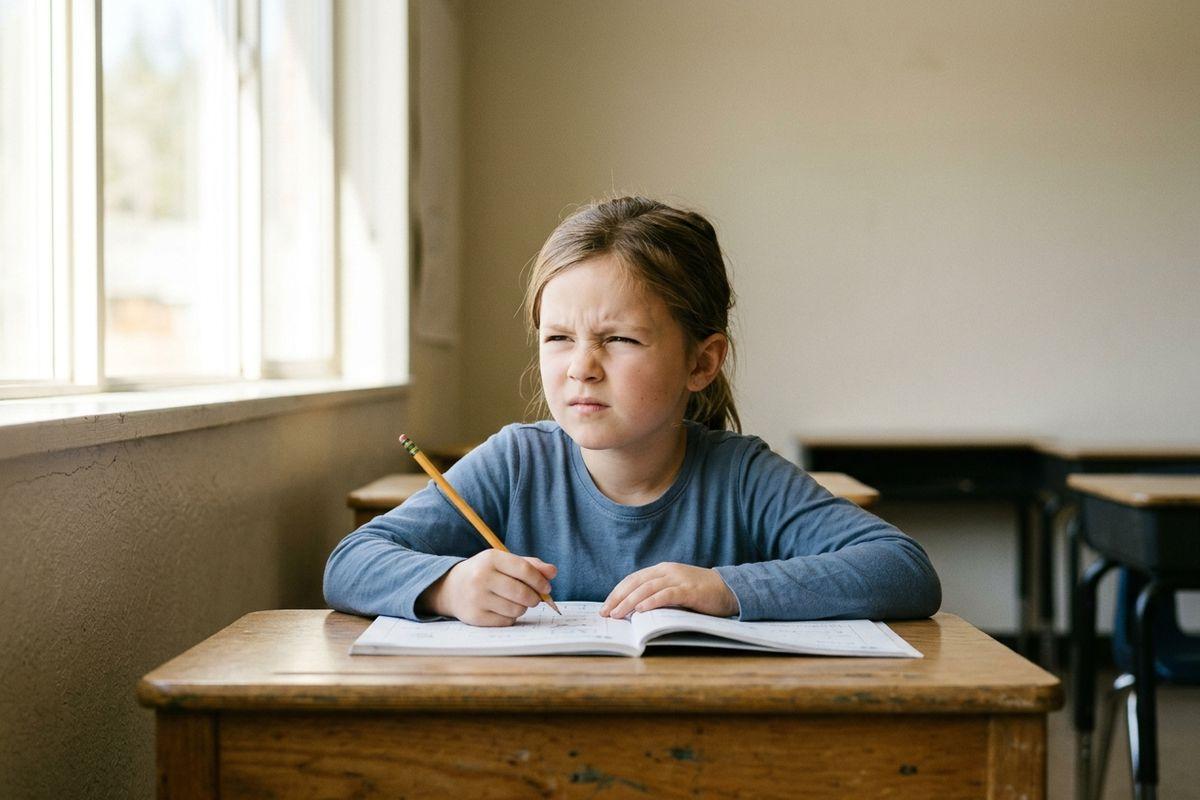
With myopia, distant objects look fuzzy while nearby things stay clear. A kid might read a book just fine but squint to see the whiteboard across the classroom.
Myopia often starts in childhood and can progress as kids grow. It usually happens because the eyeball is a touch longer than average, or the cornea curves more steeply than it should, so light focuses in front of the retina instead of landing on it.
Family history plays a role, too. If one or both parents are nearsighted, their kids have a higher chance of developing it. And with so many hours spent on screens these days, eye care providers are seeing myopia show up earlier and progress faster in a lot of children.
Signs to Watch For
Kids and adults don’t always mention blurry vision, so keep an eye out for these habits instead:
- Squinting to see faraway objects
- Sitting close to the television or holding a phone near the face
- Headaches or tired eyes after school or work
- Trouble reading street signs or the whiteboard from a distance
- Avoiding sports or activities that need clear distance vision, like catching a ball
A Closer Look at Hyperopia (Farsightedness)
Hyperopia flips the picture. Close-up tasks appear blurry, while objects across the room remain sharper.
This happens when the eyeball is shorter than average, or the cornea is flatter than it should be, so light focuses behind the retina rather than on it. Unlike myopia, hyperopia can show up at any age, from young kids to adults.
Mild hyperopia is actually common in young children, and a lot of them adjust for it naturally without noticing any blur. But more significant hyperopia can cause the eyes to work harder than they should to focus, which sometimes leads to crossed eyes or lazy eye in kids if it goes unaddressed.
Signs to Watch For
The clues often show up during reading or detailed work.
- Blurry vision when reading a book or menu
- Eye strain during close tasks like sewing or screen time
- Trouble focusing on small, detailed work
- Rubbing the eyes often during or after reading
- Avoiding books, puzzles, or other close-up activities altogether

Key Differences Between the Conditions
The two conditions can sound alike, so here’s a quick comparison to keep them straight:
- Myopia focuses light in front of the retina, while hyperopia focuses it behind.
- Myopia blurs faraway objects, while hyperopia blurs close ones.
- Myopia is corrected with concave lenses, while hyperopia is corrected with convex lenses.
How an Eye Exam Can Help
You don’t have to guess which condition you or your child has. A short visit can give you clear answers and a plan that fits your day-to-day life.
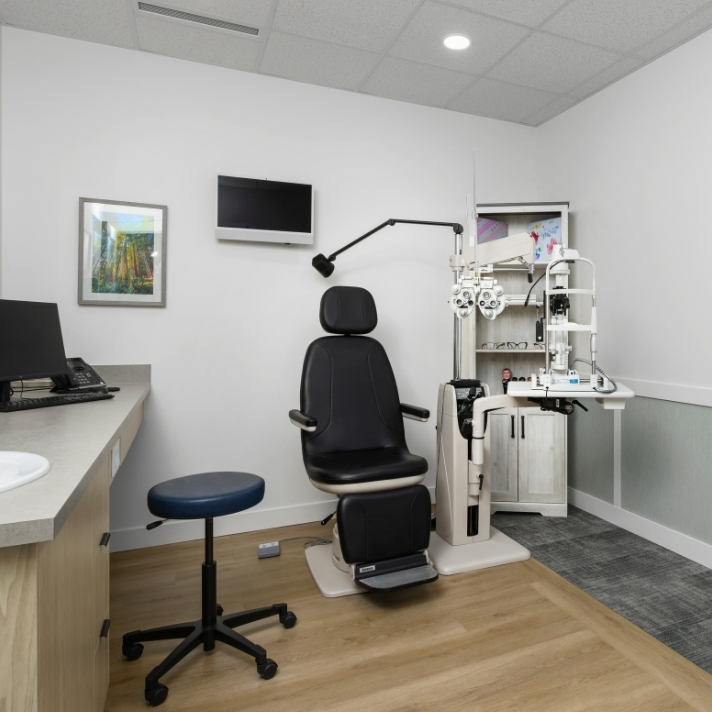
An eye exam checks how sharp your vision is at different distances and measures the exact prescription your eyes need. Your optometrist also assesses the overall health of your eyes during the same visit, checking factors like intraocular pressure and the retina itself, so nothing slips past unnoticed.
For kids especially, regular exams matter even before they can read an eye chart. Young children often can’t tell you their vision is off because they don’t know what “normal” is supposed to look like.
Treatment and Correction Options
Once your optometrist knows what’s going on, you can talk through options that match your age and lifestyle.
- Glasses and contact lenses for clearer vision at home, school, or work
- Myopia control for kids, using tools like specialty contact lenses or low-dose drops to help slow how quickly it progresses
- Laser surgery for adults who want to reduce how much they rely on glasses
Simple Habits for Healthy Eyes
Small daily choices can support your eyes between visits.
- Follow the 20-20-20 rule: every 20 minutes, look at something 20 feet away for 20 seconds
- Spend time outdoors, which research links to healthier vision development in growing eyes
- Use good lighting when you read or do close work to reduce strain
Get Clarity on Your Vision
Whether faraway signs or close-up words look fuzzy, understanding the difference between myopia and hyperopia is the first step toward finding the right fix. And that fix looks a little different for everyone, depending on age, lifestyle, and how the condition shows up.
If it’s been a while since your last exam, or your child has never had one, don’t wait for the blur to get worse before you act. Reach out to Summit Eyecare Centre and book an eye exam. Getting answers now means fewer surprises later, for you and your family.